
Call Us: 01424 830551
Acting and Breeding Wolf-alike Dogs
Find out about the acting team - videos, resume, hiring
Meet the members of the 'Watermill Wolves' family
View some of the work the Watermill Wolves have been in.
The Canine Behaviour and Training Specialists
Explore the facilities
Meet the team
Our Ethos
Explore our educational approach
Our Pets
Find out about our own canine family, including the Watermill Wolves
Leading the way: A positive approach to education

Officially recognised Open College Network courses.
Diary of educational events & details of C.P.D. services.
Find out why studying with Naturally Pets is so fun, flexible and - above all - useful.
The college and tutors
Find out more about the staff and college
The Behaviour & Training Experts
Dog Training
Group and 1-2-1 socialisation, training and activities for all ages and abilities.
1-2-1 bespoke services by Masters qualified, vet recommended behaviourist for established issues. 'Specialists in other species available'.
Other pet-related services provided or recommended by us.
What do our clients think?

Other Pets
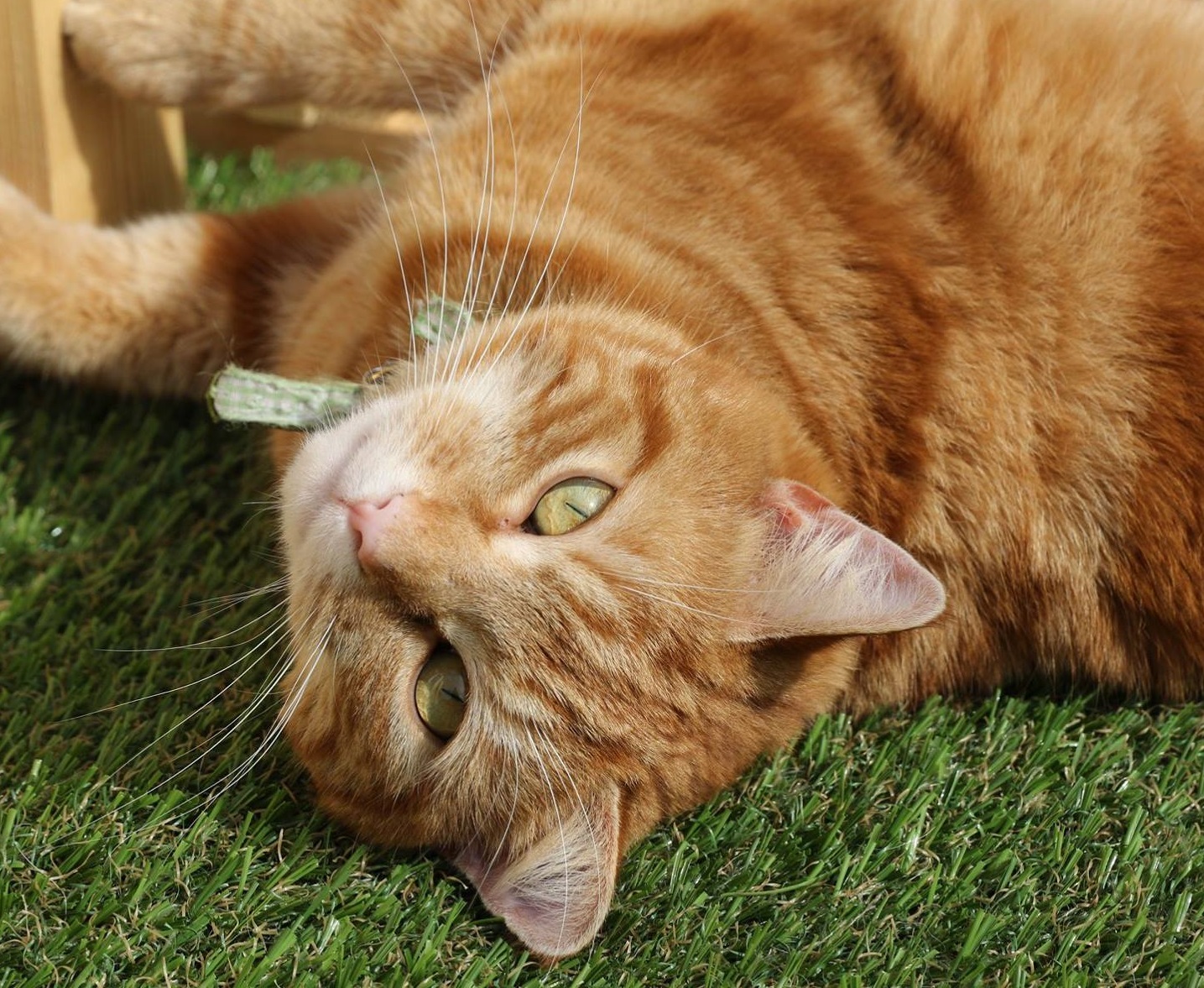
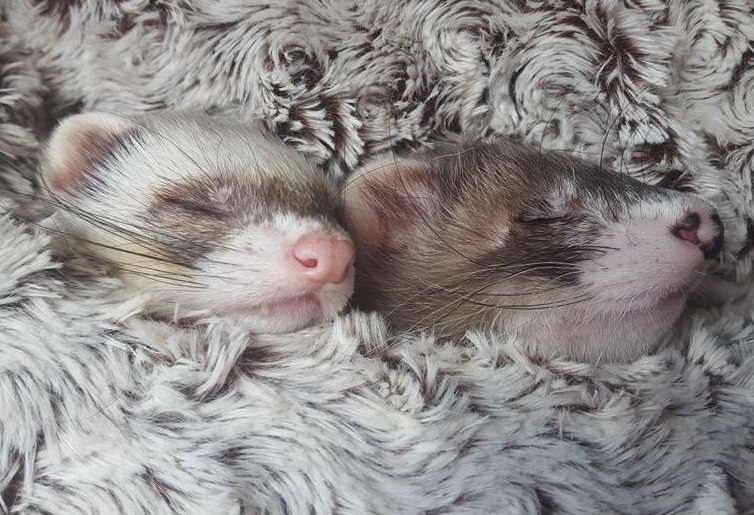
Each species has its own ‘ecological niche’ – a unique environment and lifestyle they were naturally adapted to follow, and a unique set of needs to maintain. These unique evolutionary histories make different species behave very differently in domestic settings. Behaviours such as fear, aggression, toileting & territory marking, predatory, competitive, and boredom-induced problems (such as destructive behaviour, stereotypic or self-mutilation etc) often have their root causes in a conflict between your pet’s particular natural needs and our own.
Understanding the individual needs and natural behaviours of each species is essential to understanding – and treating – behaviour problems in domesticity. Here are some factors to consider which vary widely between species:
• Diet – predators may be expected to be more likely to show inappropriate chasing or hunting behaviour, as well as having an active desire to explore and seek new opportunities. Herbivores may naturally want to spend long times resizing, and may become depressed or frustrated if fed quicker, higher-concentrate meals, while omnivores are usually prone to opportunistic and exploratory foraging which can lead to mischief – or boredom problems if denied.
• External threats – how much does this species get threatened by outsiders – either as prey, or competitors from outside groups? How does this species respond to such threats - for example, with aggression, by fleeing, by ganging together for comfort?
• Competition – does this individual live naturally in a social group with others (if not, you may be classed as an ‘external threat’ even if you live with them!)? If they do, to what extent are others they live with a threat or competition for resources etc? What is the natural reaction of such a species to this threat? Bite, kick, head-butt, claw, flee...?
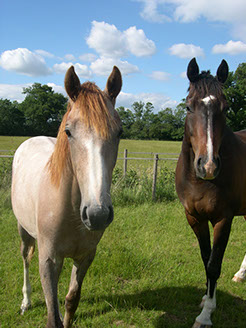
• Mating behaviours – does the species mate for life – in which case they can become lonely or heartbroken if they lose a loved one, and jealous of that loved one’s attention! Or are they more promiscuous, with perhaps the strongest fighter commonly winning the females? In species like this (such as horses), drive for sexual competition can be a serious problem (this is why most male horses are castrated).
• Territory & ranges – whether an animal develops ranges and territories which are defended often depends on the above factors – territories can help protect access to mates and breeding resources, food, shelter etc.
If you have a behavioural problem with your pet of any species, please contact Naturally Pets for details of our species-specialist behaviourist and trainer services.
info@naturallypets.co.uk
Like Us
Naturally Pets
Pet Partnership the Natural Way
Email: info@naturallypets.co.uk
Head office
Sunnylea,
Watermill lane,
Bexhill on Sea,
East Sussex,
TN39 5JB